Let’s talk workplace AI governance controls. A good AI policy functions like traffic lights. It doesn’t stop people from acting, but prevents accidents. Staff already use chatbots, drafting tools, coding assistants, and AI features integrated into everyday office software. They often begin using these tools before legal, privacy, security, and procurement teams have set the rules. This gap creates serious issues. Confidential information may leak through prompts. AI can give answers that seem correct but are wrong. Staff might also sign up for tools that haven’t been checked or approved. The consequence is more than just a technical risk; it’s a governance debt that accumulates each day it remains unaddressed.
Why you need workplace AI governance controls now
AI changes the risk profile of ordinary work. For example, the UK Government’s AI Playbook tells organisations to understand AI limitations, use AI lawfully and securely, keep meaningful human control, and connect AI use to existing policies. In short, treat AI as you would any other tool that touches sensitive work. However, you need to move faster because the technology moves faster.
The law is tightening, too. The EU AI Act, for example, requires organisations to ensure staff have sufficient AI literacy before using AI systems. The same law prohibits certain uses, such as emotion recognition in the workplace. It also treats several employment-related systems, such as recruitment screening and performance monitoring, as high-risk.
Should you write a standalone policy?
Usually, yes, or at least a dedicated annex to your existing acceptable use policy. General technology rules can stay where they are, but workplace AI governance controls need faster updates, clearer examples, and closer links to approvals, training, and incident response. The AI Playbook makes this point directly: organisations should pair broad AI principles with specific policies and proper assurance.
A simple test helps you decide. If your staff handle personal data, client data, confidential information, or regulated outputs, a standalone AI policy will be easier to find, teach, and enforce.
What your policy should cover from day one
A first policy does not need to be long. However, it does need to be sharp. We suggest that you start with six controls:
- Scope: Say who is covered, what counts as an AI tool, and which related policies still apply.
- Approved tools: Restrict staff to tools you have checked, and create a quick route to request new ones.
- Classification of use: Sort activities into permitted, restricted, and prohibited categories.
- Data rules: Spell out what staff may enter into AI tools, what needs approval first, and what must never be entered.
- Human review: Require a person to check and sign off on higher-risk outputs before they go anywhere.
- Ownership: Assign clear responsibility for training, monitoring, and escalation.
How to classify AI use in terms of workplace AI governance controls
We suggest a structure that works because staff can apply it quickly and is far easier to follow than abstract ethical statements:
- Permitted use covers low-risk tasks: summarising public information, tidying non-confidential internal text, or brainstorming ideas.
- Restricted use covers tasks that need extra care: processing internal documents, drafting external communications, generating production code, or using AI in recruitment, education, or other consequential workflows.
- Prohibited use covers lines that must not be crossed: entering privileged or client-confidential material into unapproved public tools, or relying on AI as the sole basis for significant decisions about people.
Privacy, security, and shadow AI
Data protection law still applies across the full AI lifecycle. Lawful basis, purpose limitation, accuracy, individual rights, and controllership all remain in force. In plain terms, staff should assume that personal data, special-category data, client files, trade secrets, credentials, and legally privileged material do not belong in AI tools unless the organisation has approved both the tool and the safeguards around it.
Security needs equal weight. AI tools can hallucinate, leak information, and fall victim to prompt injection. The UK Government’s AI Cyber Security Code of Practice sets baseline principles for securing AI systems and the organisations that build and use them.
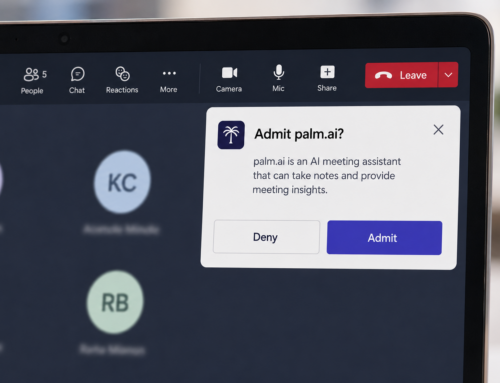
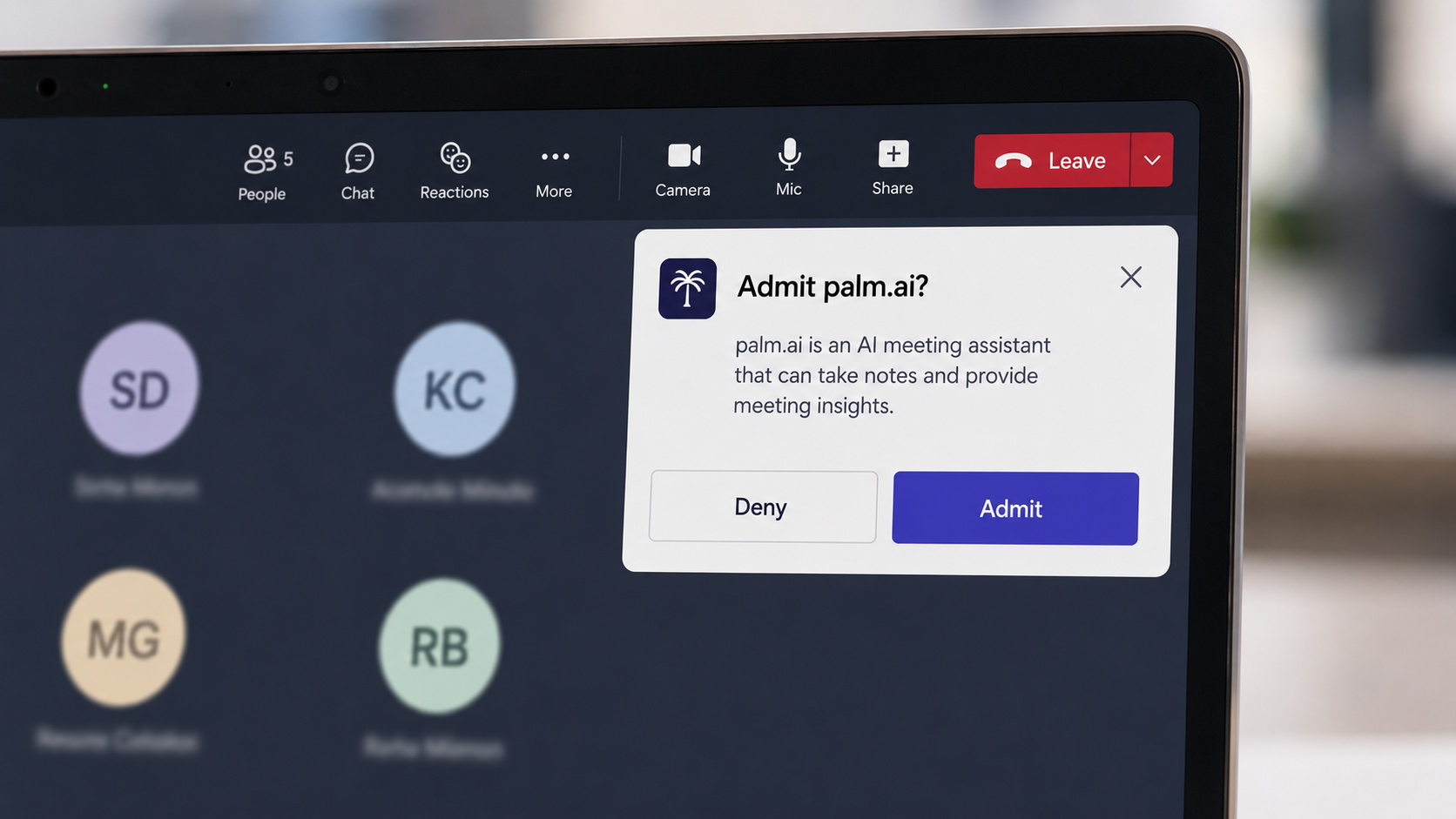
Shadow AI and staff quietly adopting unapproved tools are the gaps where most of these risks hide. Your workplace AI governance controls should close that gap with a clear approved tools list, a fast request process for new tools, and visible consequences for workarounds.
Actions you can take next
You can:
- Reduce risk by creating a short approved tools list and blocking unapproved AI for confidential work.
- Improve compliance by weaving workplace AI governance controls into training, procurement, and incident reporting. For an example of how to do this in practice, have a look at the AI Playbook for the UK Government.
- Strengthen accountability by requiring human review and sign-off for legal, HR, finance, and external-facing outputs.
- Stay current by reviewing the policy every six months, and sooner when tools, features, or laws change. We can help you review and update your policies.