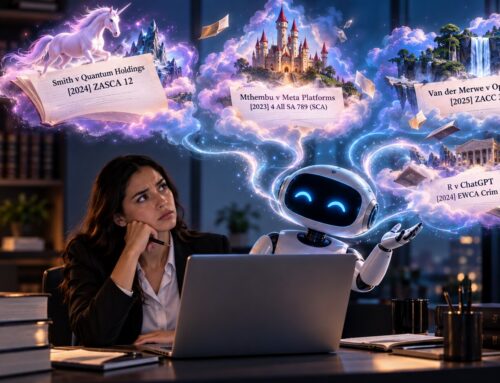
Generative AI is like a celestial nebula – a dazzling mass of potential capable of forging countless stars or cyber threats. As navigators of this cosmos, we must decipher its intricacies to ensure a harmonious balance between this emerging technology and information security law compliance. The rise of generative AI has stirred the cybersecurity industry to its core. It has catalysed the need to align this technological marvel with robust information security law compliance, heralding a new era of digital risk management.
Generative AI in the cybersecurity landscape
Generative AI forms part of a current productivity revolution, setting new benchmarks in many sectors. It creates realistic, human-like content using neural networks. Its applications span fraud detection, personalised financial advice, risk assessment, algorithmic trading, credit scoring, customer service automation, predictive analysis, and regulatory compliance, to name a few.
Yet, the full potential of generative AI can only be harnessed with a robust foundation: high-quality data, efficient processes, IoT integration, and cloud infrastructure.
AI for compliance and the role of compliance officers
AI is swiftly altering the corporate compliance landscape, empowering compliance officers with tools for automating tasks, identifying risks, and investigating misconduct. However, the path to AI deployment in compliance is strewn with challenges such as mitigating bias, understanding AI decision-making, and ensuring data privacy law compliance. Effective AI deployment is founded on four principles: liability consideration, transparency and accountability, non-discriminatory use of AI, and respect for privacy and data protection laws.
Legal, cybersecurity, and ethical implications of generative AI
From legal concerns over intellectual property rights and ownership to cybersecurity threats like misinformation spread, fraud, and cyberattacks, generative AI has significant implications. Measures like content verification and digital watermarking help establish the authenticity of AI-generated content. Above all, organisations must safeguard digital trust and scrutinise the risks associated with generative AI content.
Cybersecurity and privacy considerations for generative AI
The generative AI landscape is becoming an arena for cyber threats, mandating new strategies for risk mitigation. An understanding of privacy compliance, changes in national privacy laws, and the importance of maintaining compliance is crucial. Organisations should proactively identify and address areas of potential oversight and deceptive trade practices while adopting a multidisciplinary approach and training employees about AI.
Generative AI and cybersecurity
Generative AI can bolster security management tools while presenting cybersecurity risks during and after model training. Reading security policies, avoiding sensitive data input, and keeping models updated is vital. Acknowledging generative AI’s role in cybersecurity and investing in emerging tools is the key to ensuring digital safety.
Actions you can take next
Just as a nebula is a cradle for stars, generative AI promises countless opportunities alongside challenges in the cybersecurity industry. Navigating this universe requires an unwavering commitment to information security law compliance. You can:
- Understand generative AI risks by engaging with useful resources, such as those provided by bodies like NIST.
- Be proactive in addressing cybersecurity risks in your organisation by promoting the ethical use of AI.
- Implement continuous training programs for employees and stakeholders to stay updated on the latest developments in generative AI, its cybersecurity implications, and best practices for information security law compliance.